Replacement of hazardous substances in the workplace
Between 2018 and 2019, the European Agency for Safety and Health at Work (EU-OSHA) launched a Europe-wide campaign on risks arising from hazardous substances in the workplace in order to prevent it.
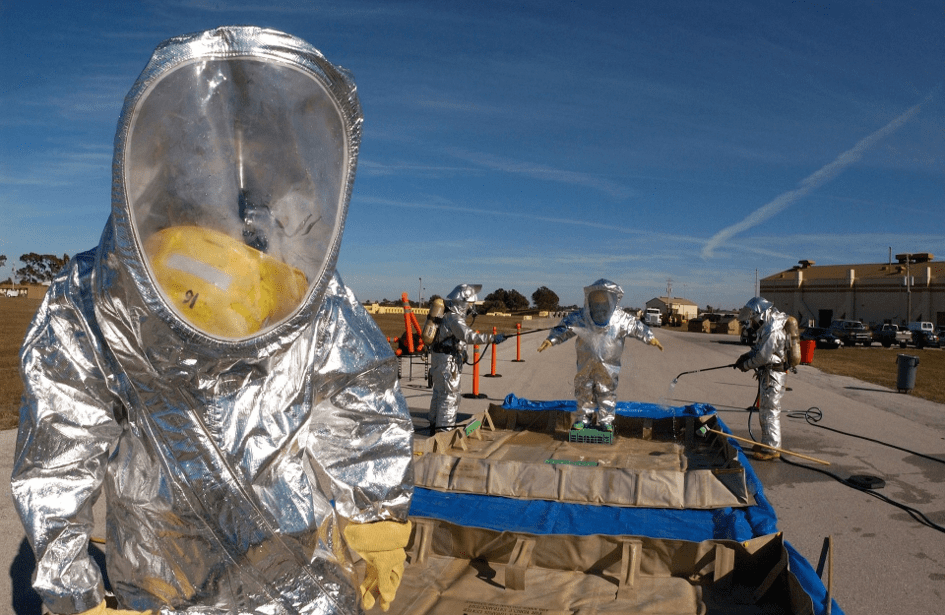
The campaign aims to reduce exposure to hazardous substances in the workplace by raising awareness of the risks and effective methods of prevention.
Occupational exposure to dangerous substances remains a major safety and health concern, despite the development of comprehensive EU legislation to control and reduce it.
The effects of exposure to hazardous substances can range from temporary and mild health problems (e.g., skin irritation) to serious acute and chronic diseases (e.g., lung damage) and potentially fatal diseases (e.g., asbestosis and cancer). In addition, many hazardous substances are flammable or explosive, posing additional safety risks. Furthermore, certain substances, such as gases formed in sewage or leaking from cooling systems, are acutely toxic or lethal.
In order to avoid and eliminate these effects, the employer must take the necessary measures. Risk assessment is essential in order to reduce and avoid the risks arising from exposure to hazardous substances.
The European Union's Chemicals Directive (CAD) recommends adherence to a hierarchy of control measures, or „order of priority,” in order to prevent or reduce exposure to hazardous substances. At the top is complete elimination, followed by the rest of the hierarchy:
- S = Substitution = complete elimination of the hazardous substance or its replacement with a safer alternative
- T = Technological measures = minimizing the concentration of hazardous substances in the contact zone
- O = Organisational measures = minimizing the number of workers exposed to hazardous substances and/or the duration and intensity of exposure
- P = Personal, i.e., personal protective equipment = protective clothing or protective equipment, e.g. wearing safety goggles and gloves as exposure isolation devices.
Identifying hazards and risks
This requires an inventory of hazardous substances. The inventory allows for the comparison of safety data on substances and the prioritization of substances to be eliminated and replaced.
Safety and health data on chemicals can be found in the safety data sheets provided by companies that sell such products. For substances generated during work processes (e.g., dust, combustion products) and naturally occurring substances (e.g., grain or flour dust, marble or heavy metals), safety information—e.g., technical documents, handling and usage instructions—can be obtained from product suppliers.
Restrictions on materials must be checked
The use of certain substances is restricted by legislation and international or sector-specific agreements. Many substances cannot be used at all because they are banned. The use of others may be restricted by large organizations or associations in the supply chain, for example in the electronics, automotive, and textile industries.
Conducting a comprehensive risk assessment
According to occupational safety regulations, a comprehensive risk assessment must be carried out. In the area of risks arising from hazardous substances, the dangers posed by the substances and the conditions for their use must be identified and described.
The risk assessment covers the following:
- the number of workers exposed to hazardous substances;
- the level of exposure to which workers are subjected;
- place of use – open or closed space;
- risk of skin contact;
- the risk of dispersion or spread into the air, for example as a result of spraying or scattering.
Searching for alternatives
Search for materials that result in safer use. Information obtained from authorities, professional associations, trade unions, or even recommendations from suppliers can be of great help in this regard.
All alternatives must be evaluated using the same procedure. Hazard aspects must be examined and costs and benefits must be weighed up.
Experimental study
The risks associated with unsuccessful replacement can be reduced by testing the solution on a smaller, experimental scale. Technological and organizational changes must be considered, especially the potential transformation of risks and control measures. Employee involvement is essential to ensure a complete picture of the changes involved.
Implementation and development
The full implementation of a substitute material or process may require certain modifications to work procedures, materials, or equipment. Feedback from employees can be crucial to successful substitution.
Introduction of a chemical management system
In order for substitution to become part of everyday working practice, a chemical management system needs to be developed that continuously questions the use of materials and prescribes substitution.
The summary is based on the European Agency for Safety and Health at Work's information publication entitled „Substitution of dangerous substances in the workplace.”.
Source: http://www.ommf.gov.hu